








Creating a weekly meal plan can transform your cooking routine, making it easier to eat well and save time during busy weeks. Whether you want to eat healthier, reduce food waste, or simply avoid the daily “what’s for dinner?” question, a simple meal plan helps you stay organized and prepared.
In this guide, we’ll walk through easy steps to create a simple weekly meal plan, including tips on choosing recipes, grocery shopping, and meal prep.
Why Create a Weekly Meal Plan?
Meal planning offers several benefits:
– Saves time: You spend less time deciding what to cook each day.
– Reduces stress: Having a plan means no last-minute scrambling.
– Improves nutrition: You can balance meals with healthy ingredients.
– Saves money: Buying only what you need cuts down on food waste.
– Simplifies grocery shopping: With a list ready, shopping trips are quicker and more efficient.
Step 1: Assess Your Week Ahead
Start by thinking about your schedule for the coming week:
– How many meals will you need to cook at home?
– Will you eat any meals out or have social events?
– Are there days when you’ll be especially busy or tired?
Knowing this will help you decide how many meals to plan and the complexity of those meals.
Step 2: Choose Your Recipes
Pick simple, balanced recipes that you enjoy and that suit your schedule. Here are some tips:
– Use familiar meals: Start with recipes you know to reduce prep time.
– Include variety: Aim for a mix of proteins, vegetables, and grains.
– Plan leftovers: Cook larger portions for easy lunches or dinners later.
– Limit complicated dishes: Reserve those for days when you have more time.
Sample Weekly Recipe Ideas
– Monday: Grilled chicken with steamed broccoli and quinoa
– Tuesday: Vegetarian chili with mixed beans and brown rice
– Wednesday: Stir-fried tofu with veggies and noodles
– Thursday: Baked salmon, roasted sweet potatoes, and green beans
– Friday: Whole wheat pasta with tomato sauce and a side salad
– Saturday: Homemade veggie-packed omelet and toast
– Sunday: Slow cooker beef stew with carrots and potatoes
Step 3: Make a Meal Plan Template
Use a planner, whiteboard, or a simple paper chart to write down your meals for each day. Include breakfast, lunch, and dinner if you plan those as well.
Example Template
| Day | Breakfast | Lunch | Dinner |
|———–|—————-|—————-|———————-|
| Monday | Yogurt & fruit | Leftover chili | Grilled chicken meal |
| Tuesday | Oatmeal | Salad | Vegetarian chili |
| … | | | |
Step 4: Create Your Grocery List
From your chosen recipes, list all the ingredients you’ll need. Be sure to check your pantry, fridge, and freezer for items you already have to avoid duplicates.
Tips for Grocery Shopping:
– Group items by category (produce, dairy, grains, protein) to speed up shopping.
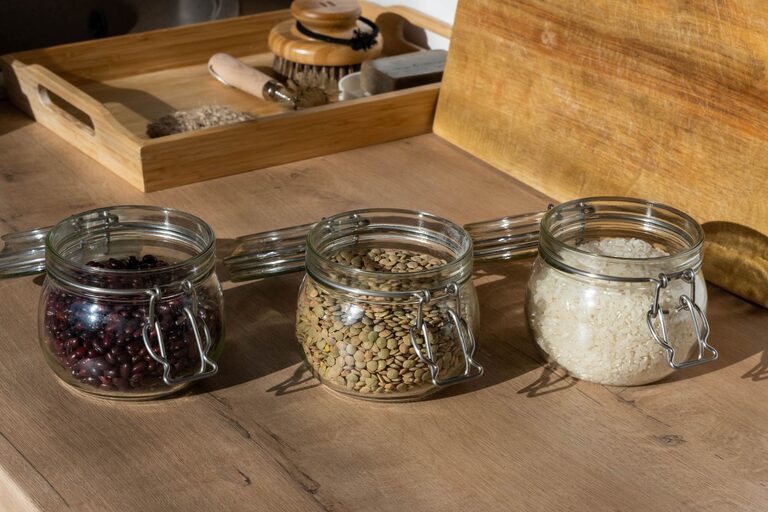
– Consider buying versatile staples in bulk (rice, beans, frozen veggies).
– Stick to your list to avoid impulse purchases.
Step 5: Prep Ahead When Possible
Preparing some ingredients or meals in advance can save time during busy days. Examples include:
– Washing and chopping vegetables
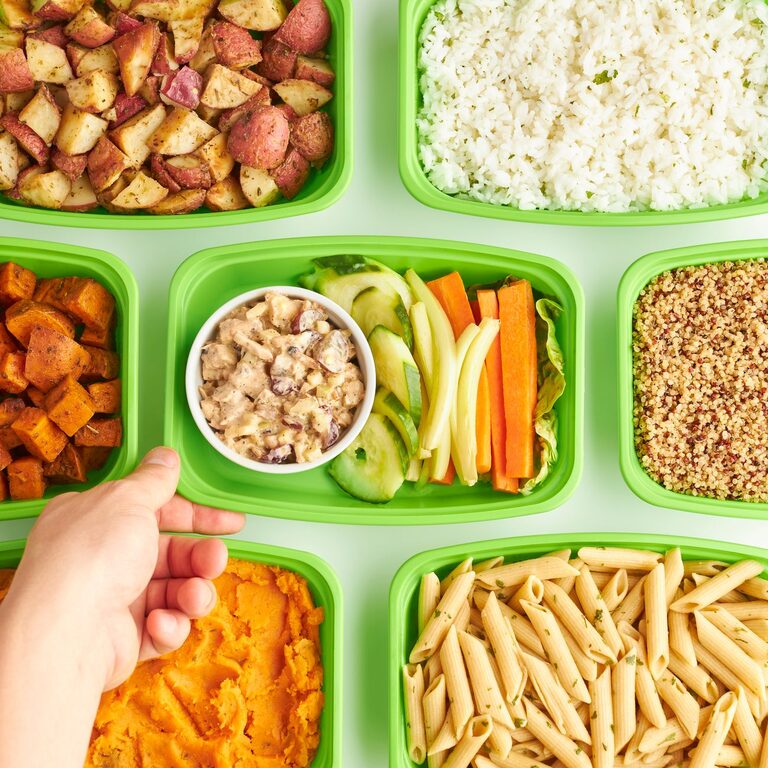
– Cooking grains like rice or quinoa in bulk
– Marinating proteins or preparing sauces
– Pre-portioning snacks
You can also cook full meals ahead and store them in the fridge or freezer.
Step 6: Stay Flexible
While having a plan is helpful, it’s okay to tweak it as needed. If you’re not in the mood for a planned meal or a schedule changes, swap meals or use leftovers creatively.
Bonus Tips for Successful Meal Planning
– Use leftovers smartly: Turn last night’s dinner into today’s lunch or add veggies to soups.
– Batch cook: Prepare large batches of staple foods to mix and match.
– Try theme nights: Such as “Meatless Monday” or “Taco Tuesday” to simplify choices.
– Keep a recipe list: Save favorite meals for future planning.
– Involve the family: Get input on meals everyone will enjoy.
Conclusion
Creating a simple weekly meal plan doesn’t have to be complicated. By assessing your week, choosing manageable recipes, organizing your plan and grocery list, and prepping ahead, you can make mealtime easier and more enjoyable. With practice, meal planning becomes a natural habit that benefits your time, budget, and health.
Start small, stay flexible, and enjoy the positive changes a little planning can bring to your kitchen routine!