









Creating a calm and relaxing environment in your home starts with the colors you choose. Calm colors have the power to reduce stress, improve mood, and make your space feel more inviting. Whether you’re repainting a room or selecting new decor items, knowing how to pick the right colors can make a big difference.
In this post, we’ll explore useful tips to help you choose calm colors that perfectly suit your home and lifestyle.
Why Choose Calm Colors?
Before diving into color choices, it’s helpful to understand why calm colors matter. These colors are typically soft, muted, or cool tones that create a sense of peace. They can help you unwind after a long day and make living areas feel more comfortable.
Calm colors often include shades of blue, green, beige, gray, and lavender. These hues are less stimulating than bright, bold colors and promote relaxation.
Tips for Choosing Calm Colors for Your Home
1. Consider the Room’s Purpose
Start by thinking about how you use the room. Bedrooms and living rooms, where relaxation is key, benefit from soft blues, greens, or warm neutrals. In contrast, kitchens and home offices might work well with energizing yet still calm colors like muted yellows or gentle grays.
2. Use a Color Palette
Select a limited color palette with two or three calm shades that complement each other. Using too many colors can feel chaotic. A simple, cohesive palette helps maintain tranquility.
3. Test Colors in Natural Light
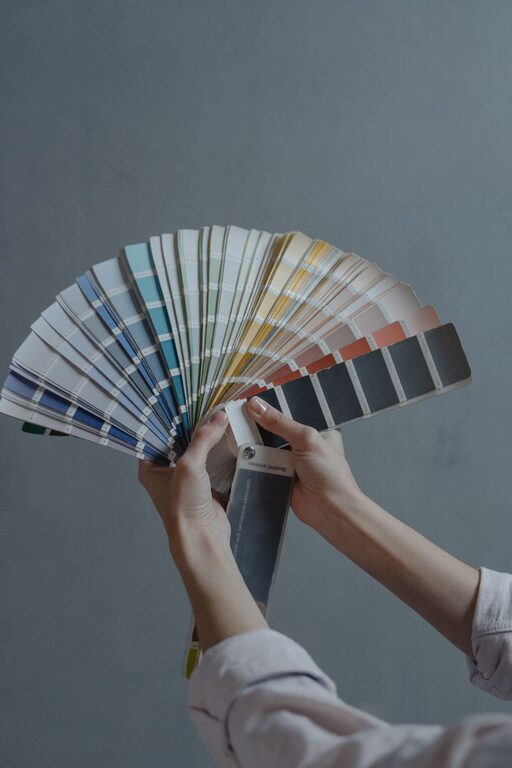
Colors can look very different depending on the lighting in your home. Always test paint samples on your walls and observe them at different times of day. Natural daylight tends to show the truest color, so checking colors in the morning and evening is a good idea.
4. Opt for Soft, Muted Tones
Avoid overly bright or saturated colors when aiming for calm. Muted tones are less intense and create a soothing effect. For example, a dusty blue or sage green is typically more calming than a bright royal blue or lime green.
5. Balance Cool and Warm Shades
While cool colors like blue and green promote calmness, adding some warm neutral tones—such as warm beige or soft peach—can prevent the room from feeling cold or unwelcoming. Balance is key for a comfortable atmosphere.
6. Incorporate Texture and Natural Elements
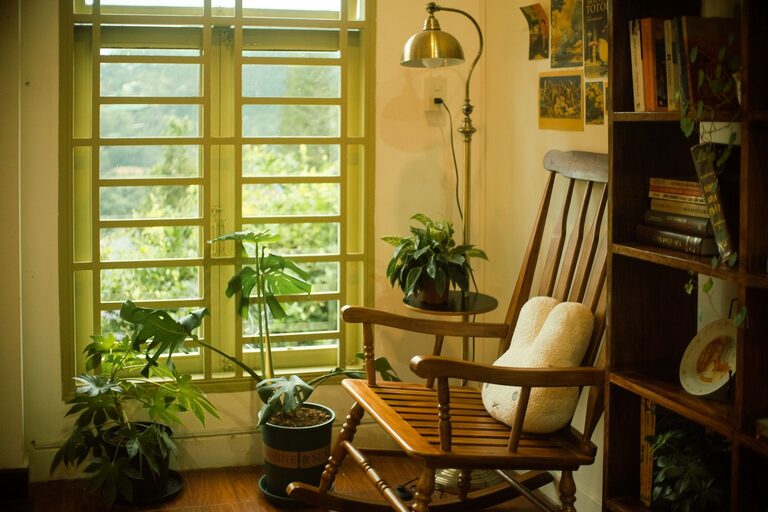
Colors don’t work alone. Complement calm colors with natural materials like wood, linen, and cotton to enhance the peaceful feeling in your space. Textures add depth and interest without overtaking the calming effect.
7. Use White and Off-White for Contrast
Pairing calm colors with whites or off-whites can brighten the room and create a clean, fresh look. White trim, ceilings, or furniture can help calm colors stand out without overwhelming the senses.
Popular Calm Color Choices
Here are some popular calm colors and why they work well:
– Soft Blue: Evokes the sky and water, aiding relaxation and a sense of calm.
– Sage Green: Brings nature indoors, creating a peaceful and grounded vibe.
– Warm Beige: Neutral and inviting, it pairs well with many colors.
– Lavender: A gentle purple tone known for its soothing properties.
– Pale Gray: Modern and versatile, it provides a neutral backdrop that feels serene.
Additional Decorating Tips
Use Color Psychology
Understanding basic color psychology can help you choose hues that match your mood goals. Blue often reduces heart rate and promotes calm. Green is restful for the eyes. Neutrals create balance and simplicity.
Keep It Simple
Minimalism often complements calm color schemes. Avoid overcrowding your space with too many decorations or furniture. Simplicity allows the colors to work their calming magic.
Add Personal Touches
Incorporate artwork, plants, or cozy textiles in calm color tones to personalize your space while maintaining tranquility.
Final Thoughts
Choosing calm colors for your home doesn’t have to be complicated. By considering how you use each room, testing colors in natural light, and focusing on muted, balanced tones, you can create a peaceful environment that supports relaxation and well-being. Remember to complement these colors with natural textures and simple décor for the best effect.
A calm-colored home can become your personal sanctuary, inviting comfort every day.
—
With these tips in mind, you’re ready to bring serenity and style into your living space through thoughtful color choices. Happy decorating!