






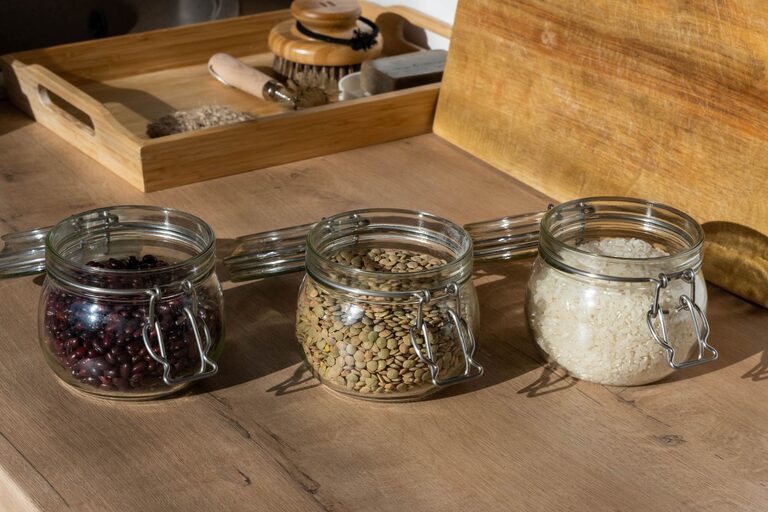
Planning meals from pantry staples is a fantastic way to save time, reduce stress, and make the most of what you already have in your kitchen. Whether you’re trying to cut back on grocery trips or avoid food waste, learning how to create tasty meals from common pantry items can be a game changer. This guide will walk you through practical steps to help you plan satisfying meals using pantry staples, along with tips to keep your kitchen stocked and organized.
Why Plan Meals from Pantry Staples?
Using pantry staples as the foundation for your meals offers several benefits:
– Convenience: You can quickly prepare meals without last-minute trips to the store.
– Budget-friendly: Pantry staples often cost less and have a longer shelf life.
– Less food waste: Using what you already have helps reduce spoilage.
– Creative cooking: It encourages experimenting with flavors and recipes.
What Are Pantry Staples?
Pantry staples are non-perishable or long-lasting ingredients commonly found in most kitchens. Examples include:
– Grains: rice, pasta, quinoa, oats
– Canned goods: beans, tomatoes, vegetables, broth
– Baking essentials: flour, sugar, baking powder, spices
– Oils and vinegars: olive oil, vegetable oil, apple cider vinegar
– Condiments: soy sauce, mustard, peanut butter, honey
– Dry goods: lentils, nuts, dried fruit, canned tuna
Keeping a well-stocked pantry ensures you have the building blocks for many recipes at your fingertips.
Step 1: Take Inventory of Your Pantry
Before planning meals, start by taking stock of what’s available.
– Pull everything out and group similar items together.
– Check expiration dates and set aside anything that needs to be used soon.
– Make a list of ingredients you have in good supply.
This inventory helps you avoid buying duplicates and inspires meal ideas based on what’s on hand.
Step 2: Identify Meal Components
A balanced meal often includes protein, carbohydrates, vegetables, and fats. Use your pantry staples to cover these components:
– Proteins: canned beans, lentils, canned tuna, peanut butter
– Carbohydrates: rice, pasta, quinoa, couscous
– Vegetables: canned tomatoes, frozen veggies (if available)
– Fats: olive oil, nuts, seeds
When planning, think about combining these elements in different ways to keep meals interesting.
Step 3: Find or Create Simple Recipes
With your pantry inventory and meal components in mind, search for recipes that match what you have. Here are some ideas:
Easy Pantry-Based Meal Ideas
– Bean and rice bowls: Combine canned beans with cooked rice, add spices and a drizzle of olive oil.
– Pasta with tomato sauce: Use canned tomatoes, garlic powder, and Italian herbs to make a quick sauce.
– Lentil soup: Simmer lentils with canned vegetables and broth for a hearty soup.
– Tuna salad: Mix canned tuna with mustard, olive oil, and chopped nuts or dried fruit.
– Stir-fry with noodles: Use pasta or rice noodles with canned veggies and soy sauce.
If you enjoy experimenting, creating your own meals by mixing ingredients and adjusting seasoning can be rewarding.
Step 4: Plan Your Weekly Menu
Organize your meals for the upcoming week by:
– Choosing recipes based on your pantry inventory.
– Making a list of fresh ingredients needed (like herbs or produce) to complement pantry staples.
– Scheduling meals that use similar ingredients consecutively to minimize waste.
Writing down your menu can help you stay on track and reduce decision fatigue.
Step 5: Prep Ahead When Possible
Meal prepping saves time on busy days:
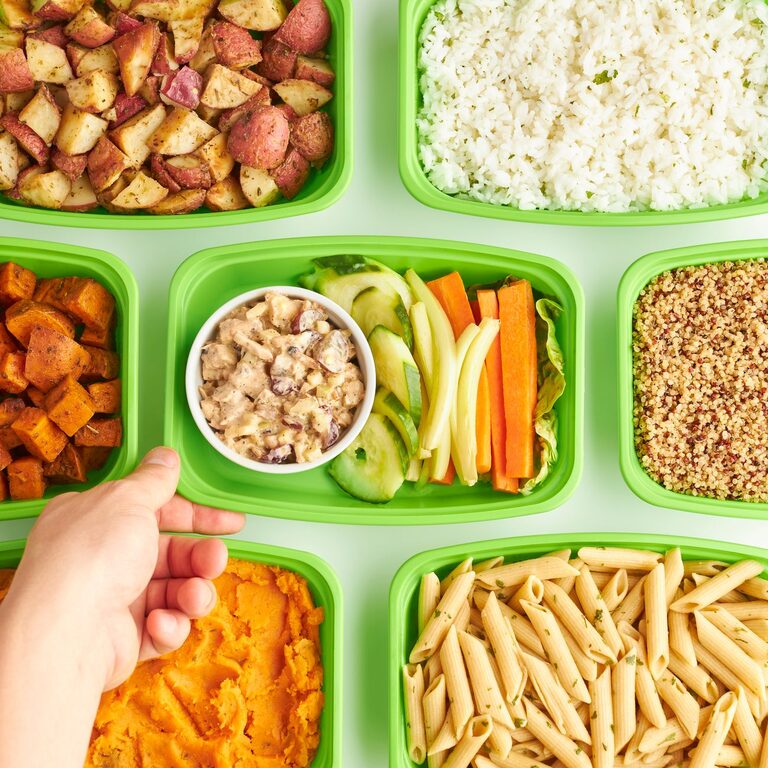
– Cook grains like rice or quinoa in advance.
– Prepare sauces or dressings from pantry ingredients.
– Portion out canned beans or lentils to speed up cooking.
Prepping ahead streamlines meal assembly and encourages healthy eating habits.
Tips for Stocking and Maintaining Your Pantry
– Keep essentials in clear containers so you can easily see quantities.
– Rotate pantry items so older products are used first.
– Regularly update your pantry inventory.
– Stock versatile spices and condiments for added flavor.
– Consider storing recipe cards or notes near your pantry for inspiration.
Conclusion
Planning meals from pantry staples is both practical and creative. By taking inventory, understanding meal components, and organizing your menu, you can confidently prepare delicious and nutritious meals with what you have on hand. With a well-stocked pantry and a bit of planning, mealtime can become less stressful and more enjoyable for you and your family. Give these tips a try and discover how pantry staples can transform your cooking routine!